
Despair, Together
Feelings: Despair, together 🕳️🫱🏽🫲🏻| Facts: Treat climate comms like science 🗣️👩🏽🔬 | Action: I went solar! ☀️🔋

Welcome to We Can Fix It, where we tackle the climate crisis with facts, feelings, and action. Written by me, climate scientist Kim Nicholas.
Hi friends,
The first signs of spring are here in Sweden, and they are SO welcome after the long dark winter. Hope that sunshine and spring flowers are reaching your corner of the world too!
Alongside joy at spring flowers, I’ve had despair on my mind lately. I know despair has been on many of your minds and hearts, too. So this month, I’ll explore a feeling we never talk about, but that connects us. And I’ll share our new paper on how to communicate climate action, and my good news on going solar— lots to unpack!
Feelings: Despair, Together 🕳️🫱🏽🫲🏻
If you’re feeling despair, you’re not alone.
Some of you have reached out to me directly to share this heavy feeling. In your words:
“I admit to being in despair about our species much of the time… how out of touch with reality our leaders and populace are and how far we are from where we need to be with environmental solutions…”
“…sinking into AI-related despair… end is nigh stuff…”
—We Can Fix It readers
I’ve had plenty of my own dark nights of the soul. I’ve contemplated the worst possible outcomes. I’ve felt like we’re in the dumbest and darkest timeline. I’ve Googled “climate change when to give up” when I felt like nothing I do matters; maybe nothing can avert the train wrecks of global geopolitics and climate. I’ve seen how avoidance can tip into doom and despair, if we don’t find ways to navigate All the Climate Feels.
So I went searching for wisdom on despair. Turns out to be a deep well to explore.
The one-woman force behind The Marginalian, Maria Popova has lots of her own wisdom on despair in this series of articles. Her usual excellent curation highlights writers and poets who have plumbed the darkest corners of the human experience.
I particularly loved this one:
“Just as there are transitional times in the life of the world — dark periods of disorientation between two world systems, periods in which humanity loses the ability to comprehend itself and collapses into chaos in order to rebuild itself around a new organizing principle — there are such times in every human life, times when the entire system seems to cave in and curl up into a catatonia of anguish and confusion, difficult yet necessary for our growth.
In such times, the most courageous thing we can do is surrender to the process that is the pause, trust the still dark place to kindle the torchlight for a new path and vitalize our forward motion toward a new system of being.”
—Maria Popova, “The Art of the Sacred Pause and Despair as a Catalyst of Regeneration,” The Marginalian
The philosopher Mara van der Lugt argues in Hopeful Pessimism that we must distinguish pessimism (the entirely understandable view that the future looks bleak) with fatalism (the belief that the future is set in stone, and there is nothing we can do to change it). She argues we should avoid fatalism, but “pessimism and activism are perfectly compatible— indeed, in some cases they have proven to be an especially powerful combination.”
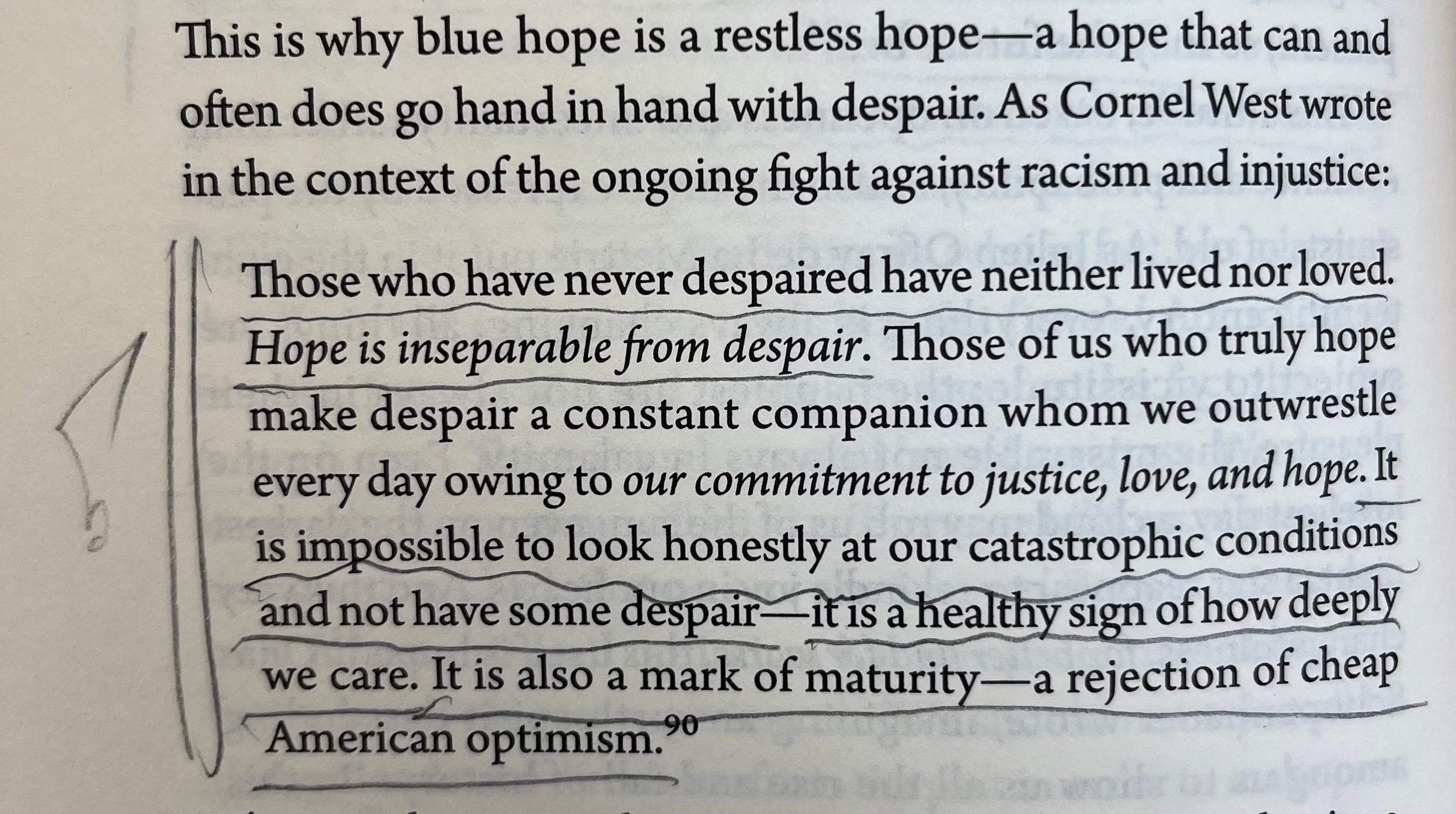
van der Lugt advocates for what she calls “blue hope”— a hope rooted in the uncertainty of the future, based on doing what is right and worth doing, even without certainty of success. Blue hope is “hope that knows it can always be defeated, but as it does not depend on outcomes it won’t disintegrate on this.”
The idea of “a hope that can and often does go hand in hand with despair” resonated for me, as did Cornel West’s claim “Those who have never despaired have neither lived nor loved.”
Despair is such hard terrain to navigate, but it is a place we will all spend time. Despair doesn’t have to be lonely. Let’s make space to acknowledge it.
Please take good care, friends. If you are struggling, please draw on support. Check out the excellent offerings at the Unthinkable Resource Hub from Dr. Britt Wray.
P.S. Wendell Berry’s “The Peace of Wild Things” always grounds me “when despair for the world grows in me”.
Facts: Treat Climate Comms Like Science 🗣️👩🏽🔬
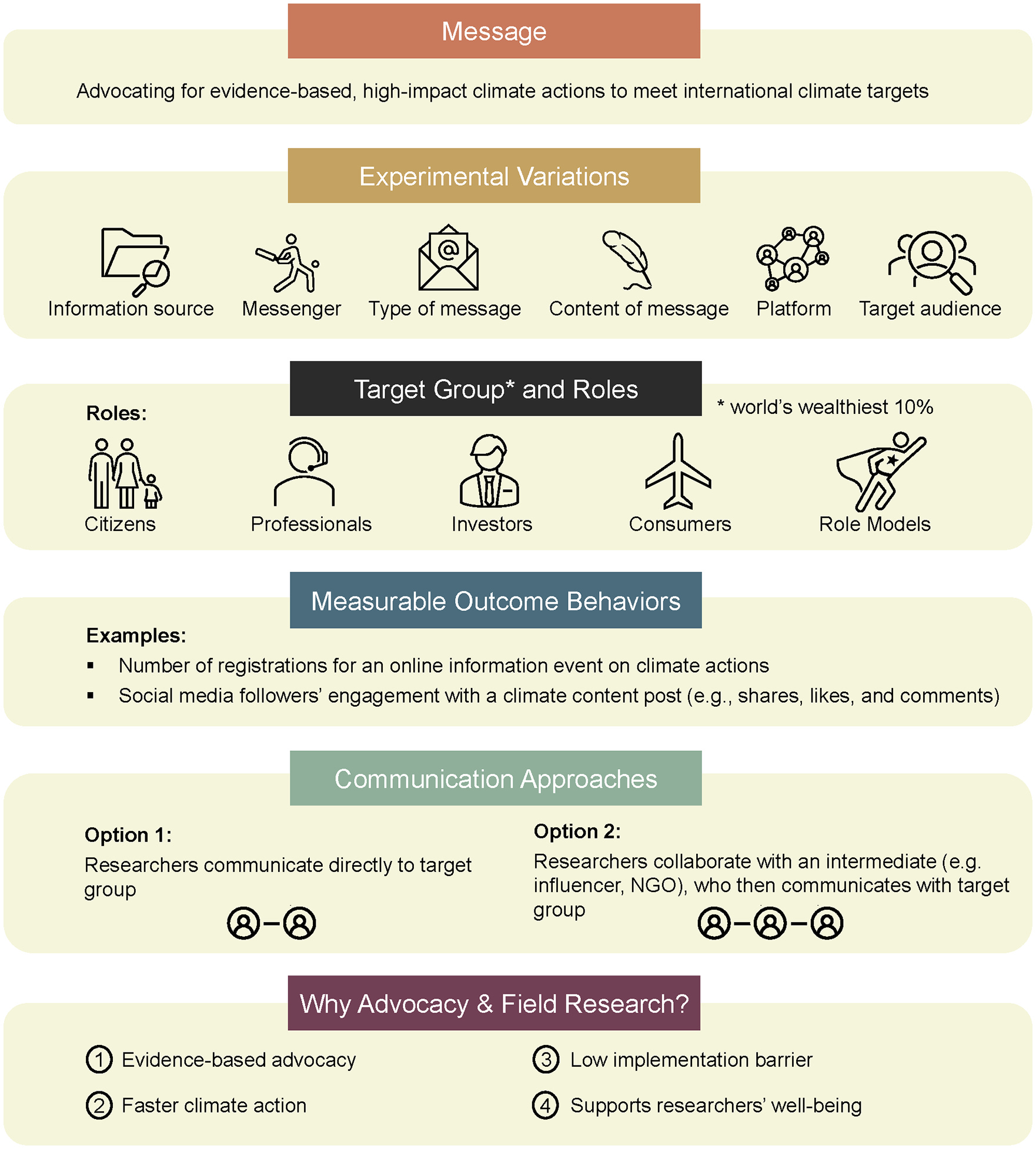
In a new paper led by Manuel Suter, we argue that climate communication should look a lot different than it does today. Specifically, we suggest:
Target the global top 10% (that’s likely you, dear reader!)
Advocate for specific, evidence-based, high-impact climate actions, like those found in the SHIFT guide! To maintain trust and credibility, be clear the communication aims to not just provide info, but also spark action.
Go beyond consumer actions to include actions as citizens, professionals, investors, and role models.
Use field experiments, like messaging on social media, to test and refine effective messages.
Study the effects of variables like type and content of message, platform, and messenger.
Collaborate between researchers and communicators like NGOs or influencers.
We believe this approach can help make climate communication more effective and evidence-based, drive climate action through effective messaging, make good use of existing knowledge and resources to leverage impact relatively easily, and help researchers feel they’re doing work that matters.
If you’re doing climate comms and want to collaborate on this approach, please get in touch! Or if you know someone workin in communications, please share this post with them to encourage them to try out our approach.
Action: I went solar! ☀️🔋
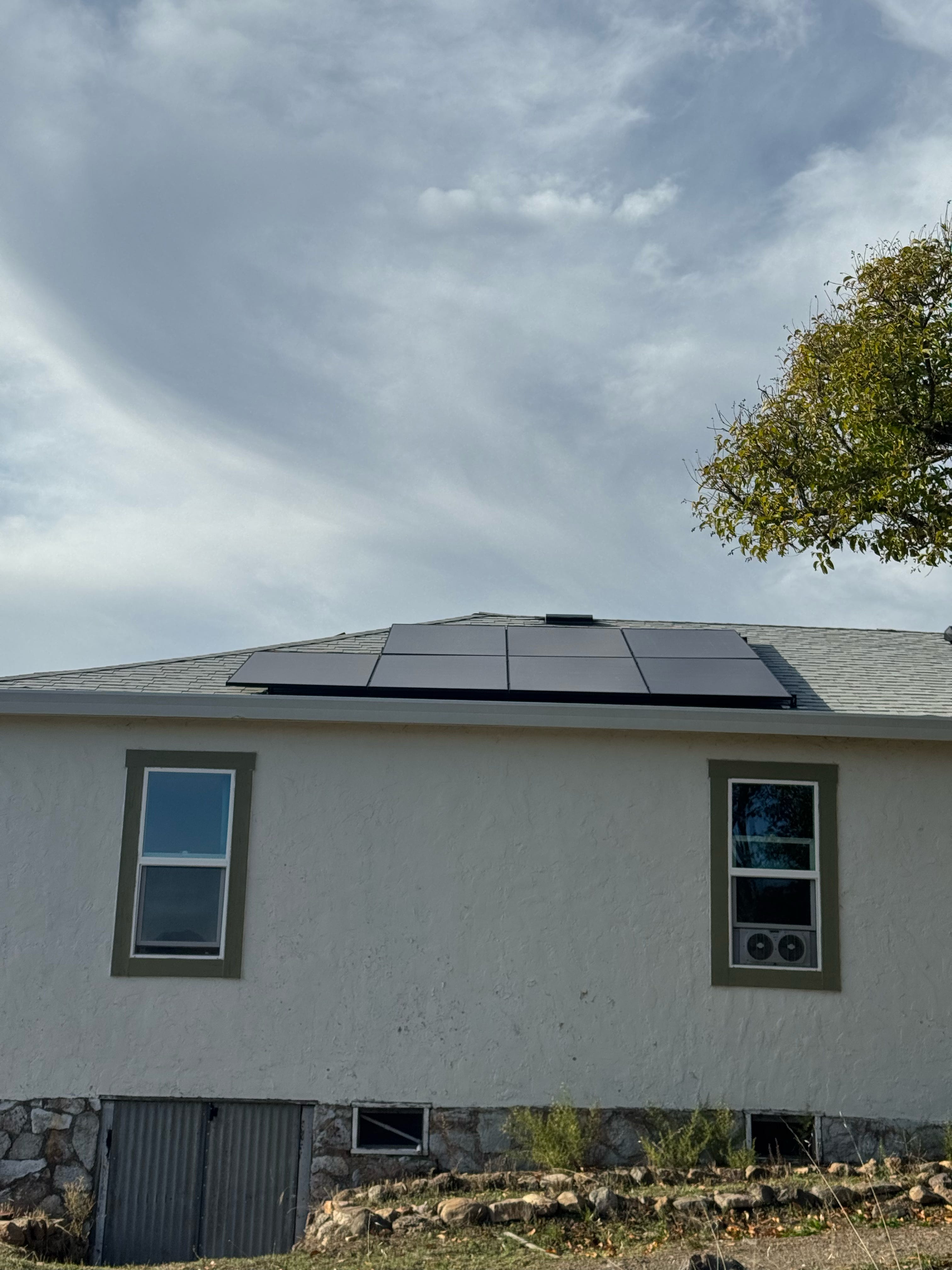
I got solar panels and battery storage for my house in California! Whoohoo!
Show me the money
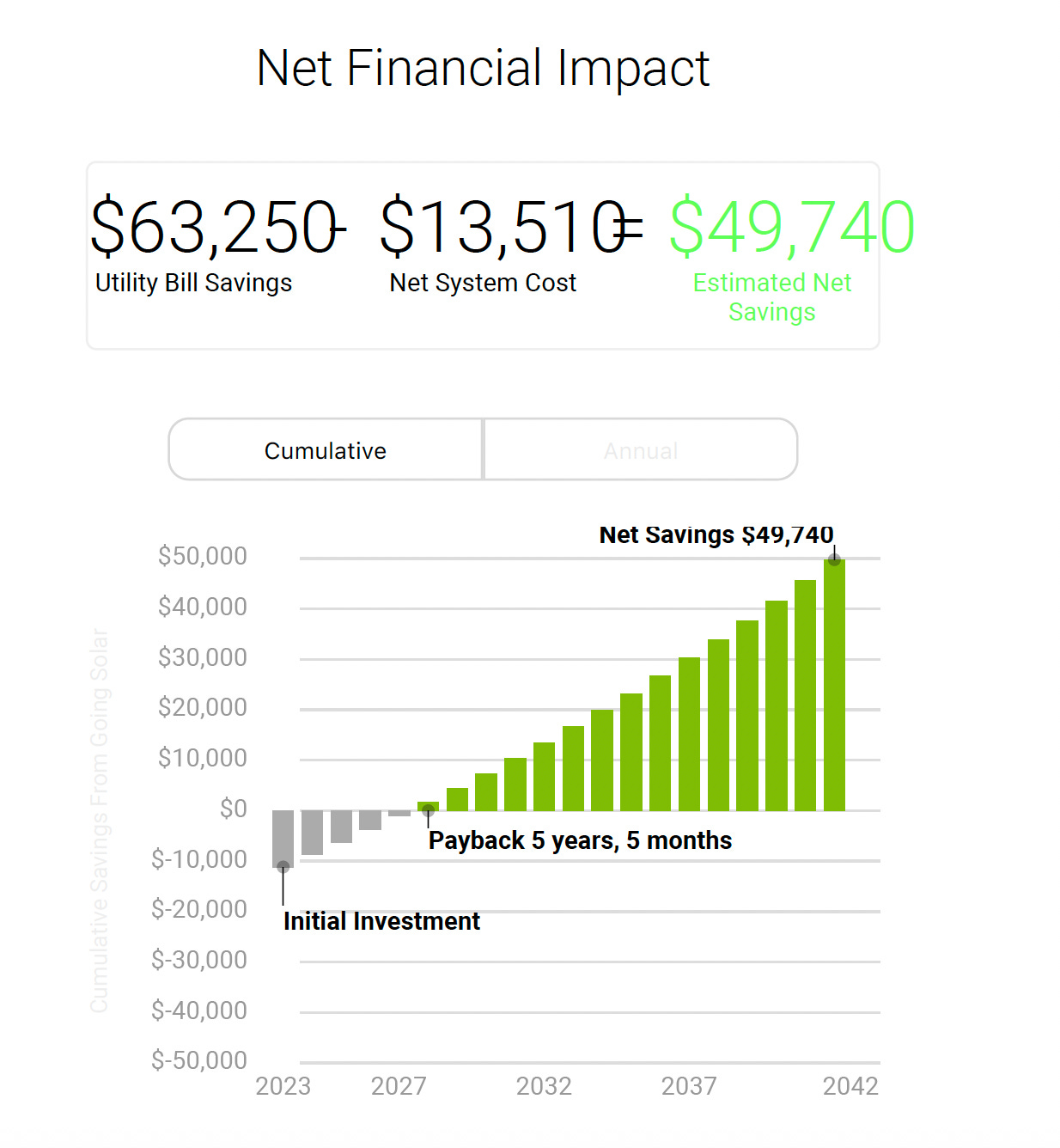
I paid $19,300 for the panels (minus 30% incentive from Federal Investment Tax Credit, so net $13,510). Additionally, I paid $16,000 for battery storage. (I did have to reroof the house first, which was overdue, and cost about $18,000.) The estimated payback time for my solar is less than 6 years, with almost $50,000 lifetime savings.
For a contractor, I went with Andrew from Element Electric, who was recommended by the Electrify My Home folks who installed my heat pump a few years ago. Andrew was easy to work with, took care of permits, and provided all the info I needed. The installation itself only took a couple days.
I got a solar loan at 7.99% from my credit union that lets me spread out the payments over five years. (I compared solar loans through the GoGreen website from the State of California.)
Emissions savings
In the US, transportation + housing contribute the majority of household carbon footprint (about two-thirds for low-income households, and 53% for high-income, according to this 2019 study). In the housing domain, the most effective actions to reduce your household climate pollution include refurbishment and renovation (efficiency upgrades), heat pumps, and producing your own renewable energy, according to this meta-analysis led by Diana Ivanova.
Social benefits galore
Distributed tech like solar panels has lots of advantages. Compared with huge “lumpy” infrastructure like massive nuclear or carbon capture plants, “tiny tech” like solar features “faster diffusion, lower investment risk, faster learning, more opportunities to escape lock-in, more equitable access, more job creation, and higher social returns on innovation investment. In combination, these advantages enable rapid change,” writes my friend Charlie Wilson with colleagues in a 2020 Science article. Good stuff!
You can help spread the decarbonization love (and flex your role model climate superpower) by going solar. Research shows that rooftop solar is contagious. If your neighbors (within about 200 meters) have solar panels, you are much more likely to have them too, according to a 2021 study.
Options if rooftop solar isn’t for you
A great alternative to adding your own rooftop solar: community solar, where you “subscribe to a local solar farm,” preferably within about 15 miles/ 25 kilometers so it’s helping decarbonize your local grid. In the US, the nonprofit Solar United Neighbors has a great overview of community solar, links to available programs, and tips on advocating for more solar near you to make community solar more widely available.
In Europe, check out REScoop, a network of 2 million citizens running 2,500 energy cooperatives, which are citizen-owned renewable energy communities. Contact one near you, or get help to start your own. Their website is inspiring!
Parting Tidbits
Upcoming talks, come see me here:
April 13, 15:00-17:00: “Individual climate action with impact.” Come join me at Copenhagen Business School for a lecture followed by mingling over drinks + snacks!
I’ll be in Oslo April 27-28 for the FLYWELL project + CICERO Day. Get in touch if you want to book a talk or have coffee!
Book Recommendation
The Deluge, by Stephen Markley. Wow I lost a lot of sleep staying up late and waking up early to finish this book. I am gobsmacked by what the author pulled off. Fierce, bone-chillingly terrifying, filled with dread, all the best and worst of humanity, characters I cared deeply about, twists that surprised me. Political violence, ethical dilemmas, betrayal, selfishness, cynicism, and hope anyway. Nuanced debates on AI, international policy, identity politics. Plus wonky climate policy. I can get annoyed at very long books, wondering if I got as much out of one long-ass book as three normal ones. In this case, yes. The scope and ambition delivers. If you read one book this year, make it this one.
xo,
Kim
Thank you for landing in my inbox at a moment of deep, dark, emotional pain. The insanity of humanity in this moment, all the needless suffering, ignorance, arrogance, complacency has left me exhausted and near despair as our precious 🌏🔥
I need help but don’t know where to turn. After nearly 3 decades of producing self-funded programs—communications efforts aimed at reaching and activating a preoccupied public— I am out of ability to keep paying for this work, begging people to subscribe, listen, watch, do!
With this sick and slick administration deliberately making things worse every day—and being a new grandma to a 2 year-old I love so much it hurts—I am overwhelmed by all the endless tasks needed to keep my thousands of interviews with experts going—on my own time and dime—including now attempting to raise money for the first time, try to keep all the balls in motion, keep up with all the news, articles, books, podcasts, videos of high relevance and interest, its all just too fucking much. I have hit a wall.
This “war,” the bombing of several hundred schoolgirls and teachers, and reading all the additional climate damage these war crimes are causing—over oil, again—to planet and people, its all just too much to absorb, keep up with, stay hopeful. I am drowning in deadlines to stay afloat😩
Even the links in this post are calling me but I have no time to do one more thing. I am so far behind and perpetually trying to catch up. There is no relief, end in sight, zero support for this critical work. Nobody funds educating and engaging the public, why not? But I’ve given too much and know too much to quit. Trying to decide what to do first, next, last? is just wearing me down, eating me up slowly. I can’t keep up and I can’t get up. Theres more but I’ve spilled my guts here too much already. Stuck and scared, very unlike me. The energizer bunny has hit a wall.
—Helpless and Hopeless like Never Before.
Thank you, particularly, for the section on despair. It is timely and helpful. I have avidly followed news and current affairs my whole life. For the first time now, it's starting to feel "too much," harmful to mental health and equanimity. But it feels irresponsible as a concerned global citizen to look away. The observation that pessimism doesn't exclude hope was impactful.